NTC33 guide
Master the Hi-Lo Game: Strategies to Win Big at SCR888Group
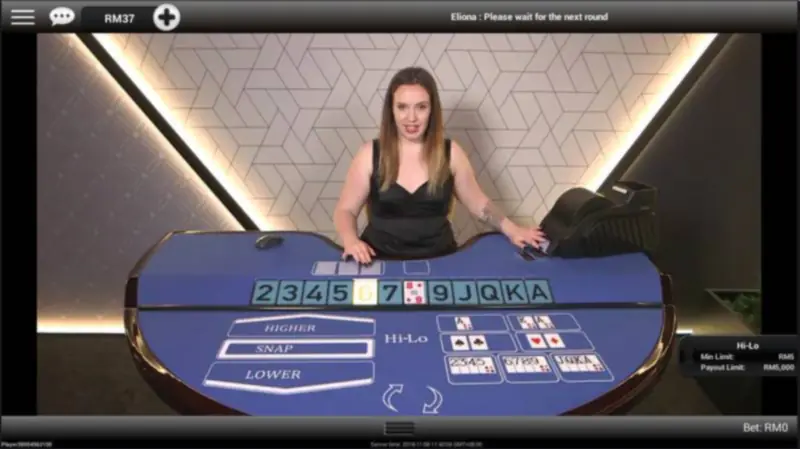
Hi-Lo is a card game where you bet on whether the next card will rank higher or lower than the one showing. Each correct call multiplies your stake, and you decide when to stop and collect. This guide covers how the game works and the decisions that separate steady players from reckless ones.
How the Hi-Lo Table Works
The layout is small and easy to read. One card sits face up in the centre, and your job is to call the next one. Higher or lower. Get it right and your winnings grow. Get it wrong and the round ends with your stake gone.
Most versions deal from a single deck or a continuous shoe, and the odds shift with every card that leaves the deck. That detail matters more than most players realise. A deck missing its low cards behaves very differently from a fresh one.
You can cash out after any correct call. There is no penalty for stopping early, and no bonus for pushing your luck. The cash-out button is the only control you truly own.
Reading the Odds Before You Call
Every card rank has a fixed number of copies in the deck. A 2 has three cards above it and ten below, so 'higher' is the heavy favourite. A King has none above it, so 'lower' is the only sensible call. The middle ranks are where the real decisions live.
- Cards 2 through 6: 'higher' is usually correct and the payout reflects it.
- Cards 7 and 8: close to even money, so treat these as coin flips.
- Cards 9 through Ace: 'lower' becomes the stronger side.
Payouts are tied to these probabilities, so a safe call pays little and a bold call pays more. There is no way to beat the maths on a single call. What you can control is how much you expose to each decision.
Betting and Cash-Out Strategy
The players who last longest at Hi-Lo treat it as a sequence, not a single spin. Start with a stake you would not mind losing, because early rounds are for learning the flow of the deck, not for chasing a jackpot.
As your streak builds, the multiplier grows and so does the temptation to keep going. Set a target before the round starts. If you told yourself you would cash out at three correct calls, cash out at three. Moving the goalpost mid-streak is how most players hand back their winnings.
On the middle ranks, where the odds are near even, a smaller bet keeps you in the game without gutting your balance. Save your larger stakes for the calls where the deck is clearly on your side.
Common Mistakes to Avoid
The biggest one is chasing a loss. Doubling your stake after a bad call does not change the odds of the next card, it just puts more money on a coin flip. The deck has no memory of your last round.
The second is ignoring the running count. If a lot of low cards have already been dealt, the remaining deck skews high, and 'lower' calls get weaker. You do not need to track every card, but a rough sense of what has left the shoe is free information.
Third, never treat a hot streak as a guarantee. Three correct calls in a row feels like a system. It is not. It is three independent events that happened to land your way.
Frequently asked questions
What is the Hi-Lo card game?
It is a card game where you bet on whether the next card will be higher or lower than the current one. Each correct call increases your potential payout, and you choose when to cash out.
Can you actually win consistently at Hi-Lo?
No single call can be beaten because the odds are fixed by the deck. What you can control is stake size, when you stop, and how much you risk on near-even calls. Discipline matters more than prediction.
When should I cash out in Hi-Lo?
Decide your target before the round begins and stick to it. If you planned to stop after three correct calls, stop there. Extending the streak mid-round is the most common way players lose their winnings.
Does the deck count matter in Hi-Lo?
Yes. Cards already dealt are gone, so the remaining deck changes the odds. A shoe heavy with high cards makes 'lower' calls weaker, while a low-card-heavy shoe favours 'higher'.
More NTC33 guides
See all-
NTC33 Funky Monkey: A Player's MYR 500 to MYR 2,429 Run
NTC33 Funky Monkey big win story: one player turned MYR 500 into MYR 2,429 in a single session. See the mechanics, bet timing and strategy behind the run.
-
Turning MYR100 into MYR2K on NTC33 Fortune Jump
See how a NTC33 Fortune Jump session turned MYR100 into MYR2K. Learn bankroll steps, bet sizing and cashout rules that made the run possible.
-
NTC33 Tundra Wolf Jackpot: How MYR 200 Turned Into MYR 1,877
NTC33 Tundra Wolf jackpot story: how a MYR 200 deposit reached MYR 1,877. Learn the staking, timing and patience behind the win on NTC33 slots.